
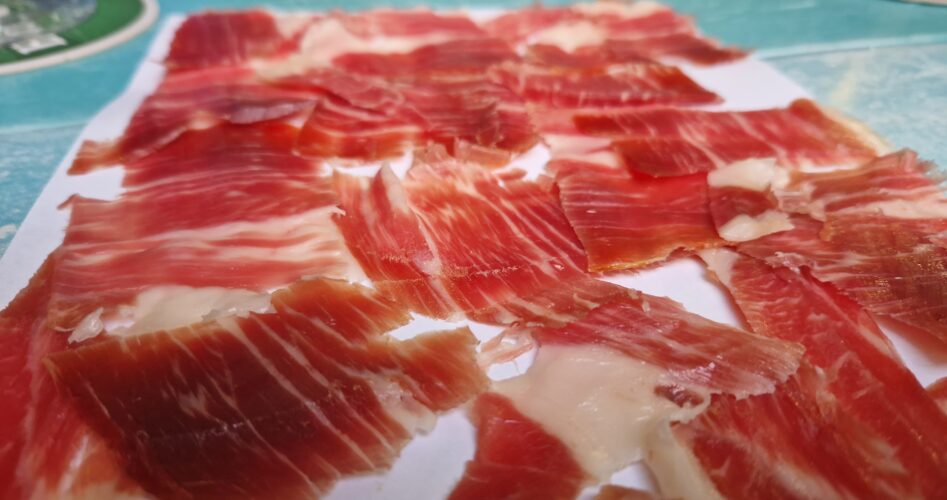
It is about Spanish Gastronomy, Spanish Jamon , Jamon Iberico , Jamon Serrano and he most delicious Cured Ham
Introduction to Spanish Jamón
Spanish Jamón is not merely a culinary delight; it represents an integral part of Spain’s cultural identity and historical heritage. Highly regarded for its exquisite flavor, rich aromas, and exceptional quality, Jamón has earned its reputation as one of the finest delicacies globally. Various regions across Spain, particularly Andalusia, are renowned for producing unique types of Jamón, with the most famous being Jamón Ibérico and Jamón Serrano. The production of this delicacy is often considered an art form, meticulously crafted through traditional methods passed down through generations.
The significance of Jamón in Spanish culture extends beyond its gastronomic appeal. It is a fundamental element of social gatherings and celebrations, reflecting the warmth and hospitality for which the Spanish are known. Whether served during festive occasions, family meals, or as a tapa shared among friends, Jamón embodies the spirit of togetherness and enjoyment. As such, it is often featured prominently in meals, showcasing the vibrant culinary traditions that Spain has to offer.
Through the process of curing, which involves air-drying the ham for several months to several years, the flavors intensify, creating a product that is rich and distinct. The various types of Jamón differ primarily in the breed of the pig, the diet, and the geographical region where they are produced. This diversity further enhances its appeal, as food enthusiasts and novice tasters alike can experience the varied nuances across different types of Jamón.
In conclusion, Spanish Jamón serves as a reflection of the country’s rich culinary history and cultural pride. It stands as a testament to the artisanal craftsmanship that elevates this delicacy to a status celebrated not only in Spain but throughout the world.
Types of Spanish Jamón
Jamón, the renowned Spanish delicacy, can be classified into various types, each with unique characteristics, production processes, and flavor profiles. The two most distinguished varieties are Jamón Ibérico and Jamón Serrano. Understanding these varieties allows one to appreciate the depth and richness that this culinary tradition offers.
Jamón Ibérico is often regarded as the pinnacle of Spanish cured ham. It is derived from the Iberian breed of pigs, which are primarily raised in the meadows of southern Spain. The unique diet of these pigs, consisting largely of acorns, directly influences the flavor and texture of the meat. The production process for Jamón Ibérico is meticulously regulated, requiring a minimum of 24 months of curing. This lengthy aging process allows the fat to develop a rich, savory flavor and a melt-in-your-mouth texture. The most prized variety, known as Jamón Ibérico de Bellota, comes from pigs that have been allowed to roam and forage for acorns, resulting in an exquisite, nutty taste that distinguishes it from other hams.
On the other hand, Jamón Serrano is more widely available and is made from white pigs, which are bred in various regions across Spain. Unlike its Ibérico counterpart, Jamón Serrano undergoes a shorter curing process, typically ranging from 7 to 16 months. While it still boasts a remarkable flavor, it tends to have a firmer texture and a slightly less complex profile compared to Jamón Ibérico. There are various grades of Jamón Serrano, influenced by region and pig breed, such as Jamón de Teruel and Jamón de Granada, each offering distinct tastes shaped by their local environments.
In essence, the world of Jamón is diverse, and each type presents a unique perspective on Spain’s rich culinary heritage. The contrasting features of Jamón Ibérico and Jamón Serrano highlight the dedication that goes into creating this supreme delicacy.
The Art of Production
The production of Spanish Jamón is a quintessential art form that reflects centuries of tradition, precision, and expertise. The journey begins with the careful selection of the pig breed, which significantly influences the quality of the final product. The most renowned breeds used in Jamón production are the Iberian pigs, particularly the black Iberian pig, known for its exceptional rich marbling of fat. This breed thrives in the dehesa, a distinctive ecosystem characterized by oak trees and grasslands, allowing the pigs to roam freely and forage for acorns, also known as bellota. This natural diet not only contributes to their health but also imparts a unique flavor to the meat, making it sought after worldwide.
Once the pigs have reached maturity, the artisan prepares for the curing process, a critical stage that transforms raw meat into the revered Jamón. The curing process can last anywhere from 12 months to several years, depending on the type of Jamón being produced. During this period, the ham undergoes a delicate process of salting, where sea salt is applied to preserve the meat and enhance its flavor. This step is vital, as it creates a protective barrier against bacteria while allowing the ham to slowly develop its rich and complex taste.
Environmental factors also play a significant role in the final product’s profile. The climate in regions such as Andalusia provides the ideal conditions for curing, with dry winds and varying temperatures fostering a unique maturation environment. Craftsmen meticulously monitor these conditions to ensure optimal moisture and temperature levels throughout the aging process. The harmonious interaction of pig breed, diet, traditional curing techniques, and climate culminates in the production of Jamón, establishing it as a supreme delicacy celebrated for its unparalleled flavor and craftsmanship.
Taste and Pairings
The tasting experience of Spanish Jamón is a sensory journey that captivates the palate with its rich flavors and unique textures. When indulging in this supreme delicacy, one can expect a symphony of savory and subtle sweet notes that vary depending on the type of Jamón consumed. Jamón ibérico, for instance, offers a complex, nutty flavor profile intertwined with a melt-in-your-mouth texture, while Jamón serrano provides a more pronounced saltiness, balanced by a slight sweetness. The marbling of fat in the ham contributes significantly to its tenderness, releasing a burst of flavor with every bite.
To enhance the culinary experience, pairing Jamón with the right accompaniments can elevate the flavors even further. A classic combination involves serving Jamón alongside a selection of cheeses, particularly aged Manchego, which complements the ham’s rich notes with its sharpness. Additionally, a glass of crisp, dry white wine such as Albariño or a robust red like Tempranillo can beautifully balance the saltiness of Jamón, creating a harmonious taste experience. The acidity in these wines also helps to cleanse the palate between bites, allowing for a more nuanced exploration of flavors.
When serving Jamón, it is crucial to slice it correctly to appreciate its flavors fully. Thin, paper-like slices should be ideally served at room temperature to allow the fat to soften, releasing its rich essence. It is recommended to use a dedicated Jamón stand and a sharp knife for precise cuts. Furthermore, some culinary enthusiasts suggest pairing Jamón with fresh bread, drizzled with high-quality olive oil, or fresh figs for an added dimension of taste. Through mindful serving and thoughtful pairings, the experience of enjoying Spanish Jamón can become an unforgettable culinary occasion.
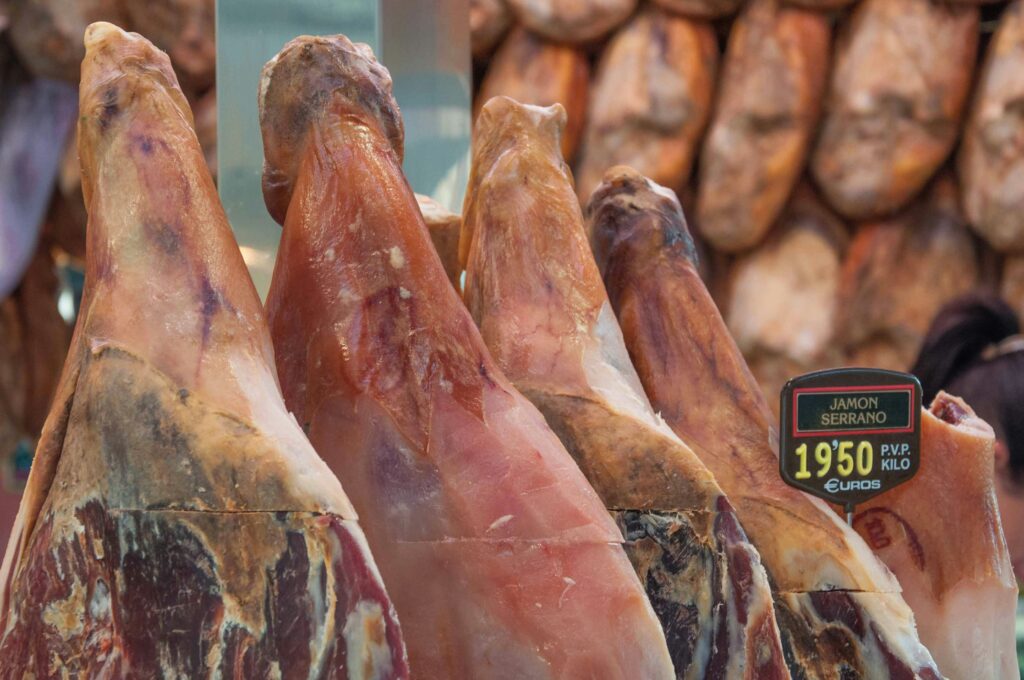
Health Benefits of Spanish Jamón
Spanish Jamón is not only a culinary delight but also offers various health benefits, making it a valuable addition to a balanced diet. One of the standout features of Jamón is its high protein content, which plays a crucial role in muscle building, repair, and overall bodily functions. With approximately 30 grams of protein per 100 grams, including all essential amino acids, Jamón can contribute significantly to the daily protein intake recommended for adults.
Additionally, Jamón is rich in vitamins and minerals, particularly B vitamins, such as B1, B2, B3, and B6. These vitamins are essential for energy production, cognitive function, and maintaining healthy skin and nerves. Furthermore, the presence of minerals like zinc, iron, and selenium in Jamón contributes to various bodily processes, including immune function and red blood cell formation.
Moreover, the healthy fats found in Jamón, primarily monounsaturated fats, are beneficial for heart health. Consuming these fats in moderation can help reduce bad cholesterol levels and improve overall cardiovascular health. This is particularly significant in contrast to processed meats that typically contain higher amounts of saturated fats.
While celebrating the nutritional advantages of Jamón, it is important to acknowledge potential concerns regarding its salt content. Due to the curing process, Jamón can be relatively high in sodium. It is advisable for individuals who are monitoring their salt intake, such as those with hypertension, to consume Jamón in moderation. Balancing the inclusion of Jamón with a variety of other food sources rich in nutrients can help mitigate any negative effects while still enjoying its distinctive flavors and advantages.
Cultural Significance and Traditions
Jamón, particularly varieties such as Jamón Ibérico and Jamón Serrano, holds a prominent place within Spanish culture, embodying both a culinary art form and a symbol of identity. Traditionally, this cured ham has been celebrated not only for its exquisite flavor but also for its role in Spanish celebrations and social gatherings. For instance, during festivals such as Feria de Abril in Seville, Jamón features prominently at the tables, serving as a focal dish that reflects the region’s gastronomic heritage.
The preparation of Jamón is steeped in tradition, often passed down through generations. Families take great pride in their unique curing practices and often hold annual gatherings to share their homemade versions, emphasizing Jamón’s role in fostering familial connections. One can find regions such as Jabugo and Guijuelo renowned for their artisanal methods of production, which have become a source of pride and economic sustenance for locals while showcasing their cultural heritage.
Moreover, seasonal celebrations often highlight the importance of Jamón. During Christmas and Semana Santa (Holy Week), the presence of this delicacy is almost obligatory, symbolizing abundance and hospitality. On New Year’s Eve, it is customary for families to gather around the table, sharing a feast that typically includes Jamón, thereby cementing its status as an essential component of communal and festive dining.
In modern Spain, Jamón has transcended its traditional confines to become a symbol of gastronomy on the international stage. Events such as the World Ham Championship showcase this culinary treasure, where producers from various regions demonstrate their skills and passion. Through these practices, Jamón not only strengthens cultural ties but also continues to elevate Spanish culinary identity globally.
How to Choose Quality Jamón
Choosing high-quality Jamón is essential for a genuine culinary experience, as the taste and texture can vary greatly depending on several factors. A crucial aspect of selecting quality Jamón involves understanding and interpreting the labels and certifications. Look for labels indicating the type of Jamón, such as Jamón Ibérico or Jamón Serrano, along with their respective quality classifications. Jamón Ibérico, for instance, is generally regarded as superior, with designations such as “Ibérico de Bellota,” which signifies that the pigs were fed on acorns, enhancing the flavor profile.
In addition to labels, certifications from governing bodies can guide consumers in selecting renowned Jamón. The Denominación de Origen (DO) certification helps assure that the product meets specific quality and production standards. For example, Jamón Ibérico produced in specific regions of Spain, like Jabugo or Guijuelo, will carry this designation, indicating its authenticity and high quality.
Visual cues also play a significant role in identifying premium Jamón. When purchasing, observe the color and marbling of the meat. Quality Jamón should exhibit a rich, reddish-pink hue interspersed with white fat streaks. The fat should appear creamy and glossy—an indication of both health and flavor. Moreover, the texture should be firm yet tender, providing a melt-in-the-mouth sensation. Pay attention to the scent as well; high-quality Jamón will have a delicate, savory aroma that hints at its rich flavor. Lastly, consider the aging process—a longer curing period typically results in more complex flavors, with top-grade Jamón aged for a minimum of 24 months.
By focusing on these factors, consumers can navigate the world of Jamón with confidence, ensuring they select the highest quality product for their culinary endeavors.
Global Influence and Popularity
Spanish Jamón, particularly the highly coveted Jamón Ibérico, has gained remarkable global influence, successfully transcending geographic and cultural barriers. Once considered a traditional delicacy restricted to Spain, its rich flavors and unique curing process have captivated chefs and food enthusiasts worldwide, leading to an impressive rise in popularity. Across various continents, from Europe to North America and even Asia, Spanish Jamón has established itself as a must-try gourmet product, becoming a staple on charcuterie boards and within upscale eateries.
The integration of Spanish Jamón into international cuisine showcases its versatility. Culinary professionals have begun to experiment with this exquisite delicacy in diverse dishes, enhancing the flavor profiles of everything from pasta to sushi. In fusion restaurants, chefs artfully combine traditional Spanish elements with local ingredients, creating innovative culinary experiences that spotlight Jamón in unique ways. For example, Jamón may be paired with seasonal fruits or infused into sauces, signifying a creative approach aligning tradition with modern gastronomy.
Social media has substantially contributed to the global recognition of Spanish Jamón. As food enthusiasts share stunning images and engage with various culinary journeys online, this delicacy has reached unprecedented visibility. Platforms like Instagram and TikTok have become stages where influences and chefs demonstrate recipes that incorporate Jamón, further elevating its status as a gourmet item. Food festivals and fairs worldwide often feature Spanish Jamón, highlighting its significance in culinary arts and cultural exchange. Consequently, the appreciation of Jamón is no longer confined to Spain; its elegant flavors are celebrated in a myriad of international contexts, reflecting its growing popularity.
Conclusion: The Enduring Charm of Jamón
Spanish Jamón stands as a testament to the rich culinary traditions of Spain, embodying a remarkable blend of flavor, craft, and culture. As a supreme delicacy, it showcases not only the high-quality ingredients sourced from specific regions but also the meticulous craftsmanship that goes into its production. The art of preparing Jamón traces its roots back centuries, reflecting the influence of geography, climate, and local practices that have been passed down through generations.
The experience of savoring Jamón goes beyond mere taste; it is an invitation to engage with Spain’s heritage. Each bite reveals the nuances of its aging process, where the type of pig, the diet, and the environment play significant roles in shaping the final product. Products like Jamón Ibérico, recognized for its unique flavor profile and exceptional quality, encapsulate the essence of this culinary marvel. Appreciating Jamón is not merely about consumption; it is about embracing a cultural ritual that has cemented its place in the gastronomic world.
Furthermore, the popularity of Jamón has transcended borders, captivating palates around the globe. As it adorns gourmet charcuterie boards, enlivening gatherings, or serves as a luxurious ingredient in various dishes, it continues to win admiration. Sharing Jamón with friends and family fosters a sense of connection, as it encourages conversations about its origins and the dedication required to produce such an exquisite delicacy. Thus, as we explore culinary treasures from around the world, let us not forget to honor the distinct charm of Jamón, a true symbol of gastronomic excellence.
